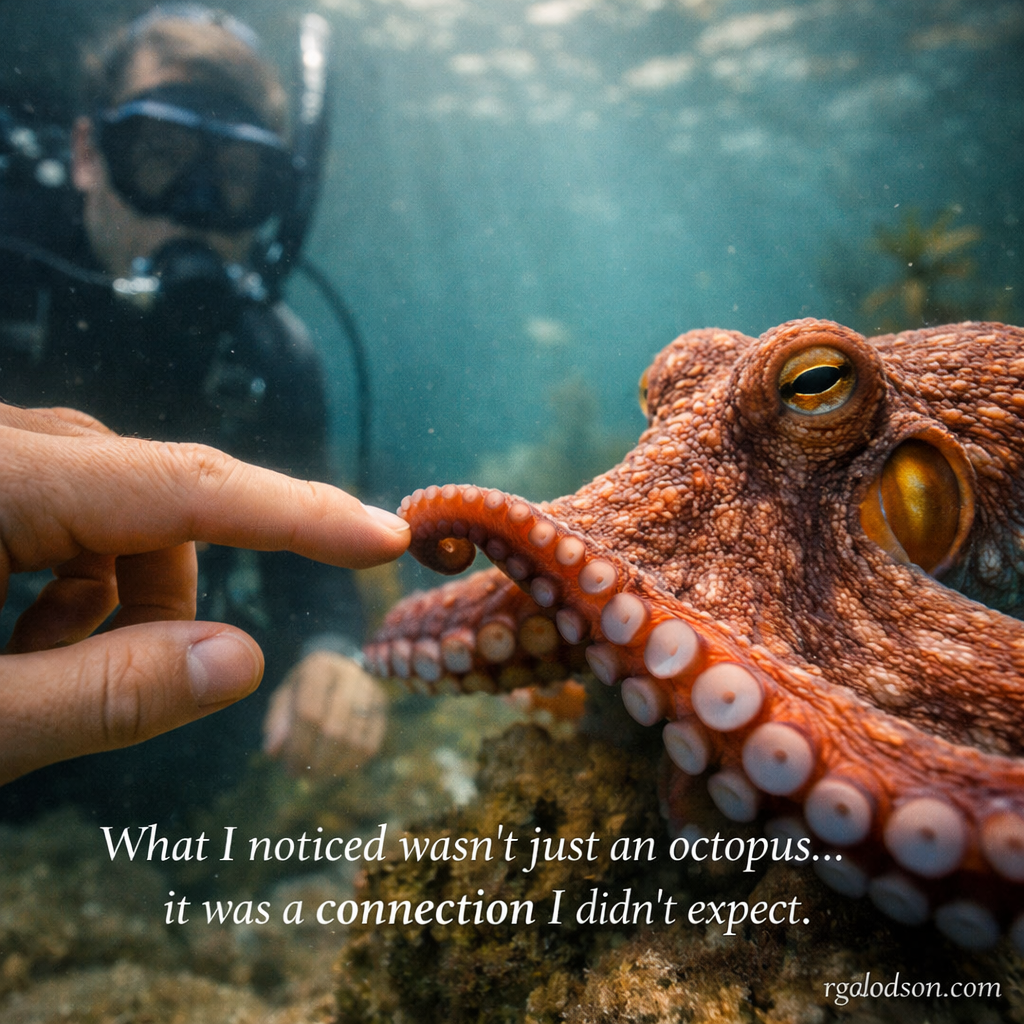
I watched a documentary the other night called My Octopus Teacher.
My son Eric suggested I watch it. I’m glad he did.
I didn’t expect much more than an interesting look at life underwater.
I certainly didn’t expect to feel anything.
But somewhere along the way, I found myself watching—not just an octopus—but a life. A living being making decisions, solving problems, adapting, hiding, exploring… surviving.
And at one point, I realized I had become emotionally invested.
In an octopus.
That caught me off guard.
What I Noticed
I noticed that the more time the filmmaker spent observing the octopus, the more the octopus seemed to become… someone, not something.
It wasn’t just reacting.
It was choosing.
It was learning.
It was living.
And the more I watched, the harder it became to see it as just another creature in the sea.
What It Made Me Wonder
How many lives do I pass by every day without ever really seeing them?
Not just in the ocean—but in my own backyard, along the roadside, in the woods, even in the air above me.
How often do I notice something briefly… and then move on?
And what would happen if I stayed a little longer?
A Thought to Ponder
Maybe the difference between indifference and care is simply this:
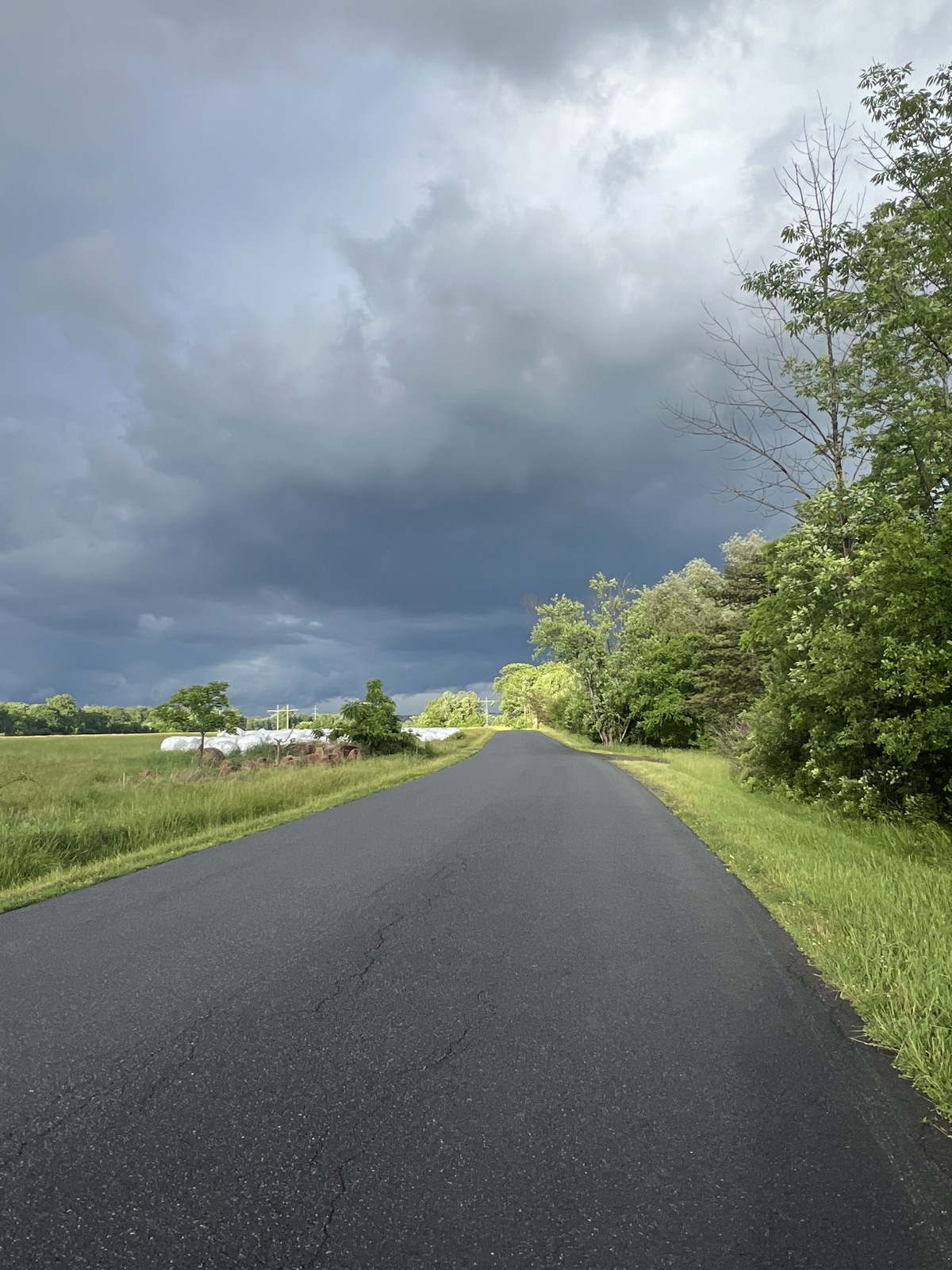
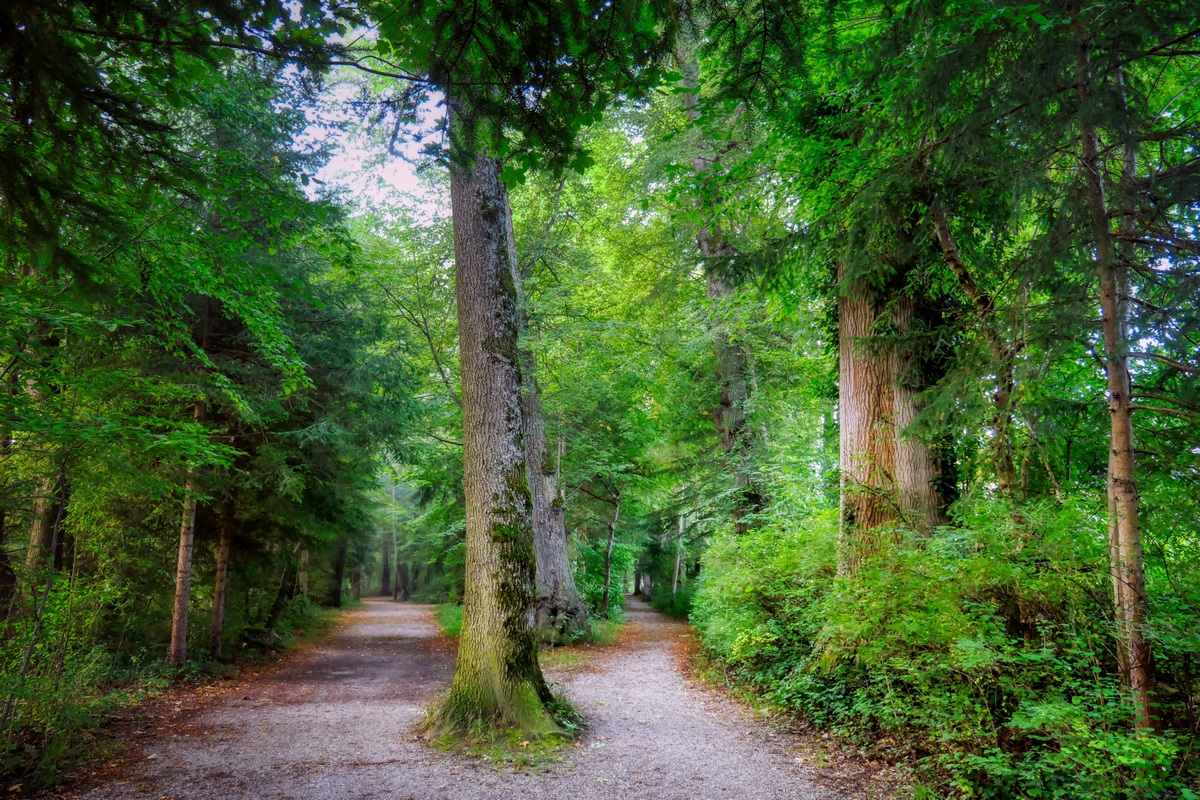
A couple of weeks ago, Theresa and I took a walk along Rarick Road through Hollyhock Hollow. Nothing unusual was planned—just a walk down Rarick Road, because the trails were still to soft and muddy. But as usual, I noticed a few things.
Winter still had a grip on the landscape. Snow lingered along the sides of the road, tucked into the shaded edges, not quite ready to give way. It was a reminder that the season doesn’t just switch—it loosens, slowly.
But right alongside that lingering cold, something else was happening.
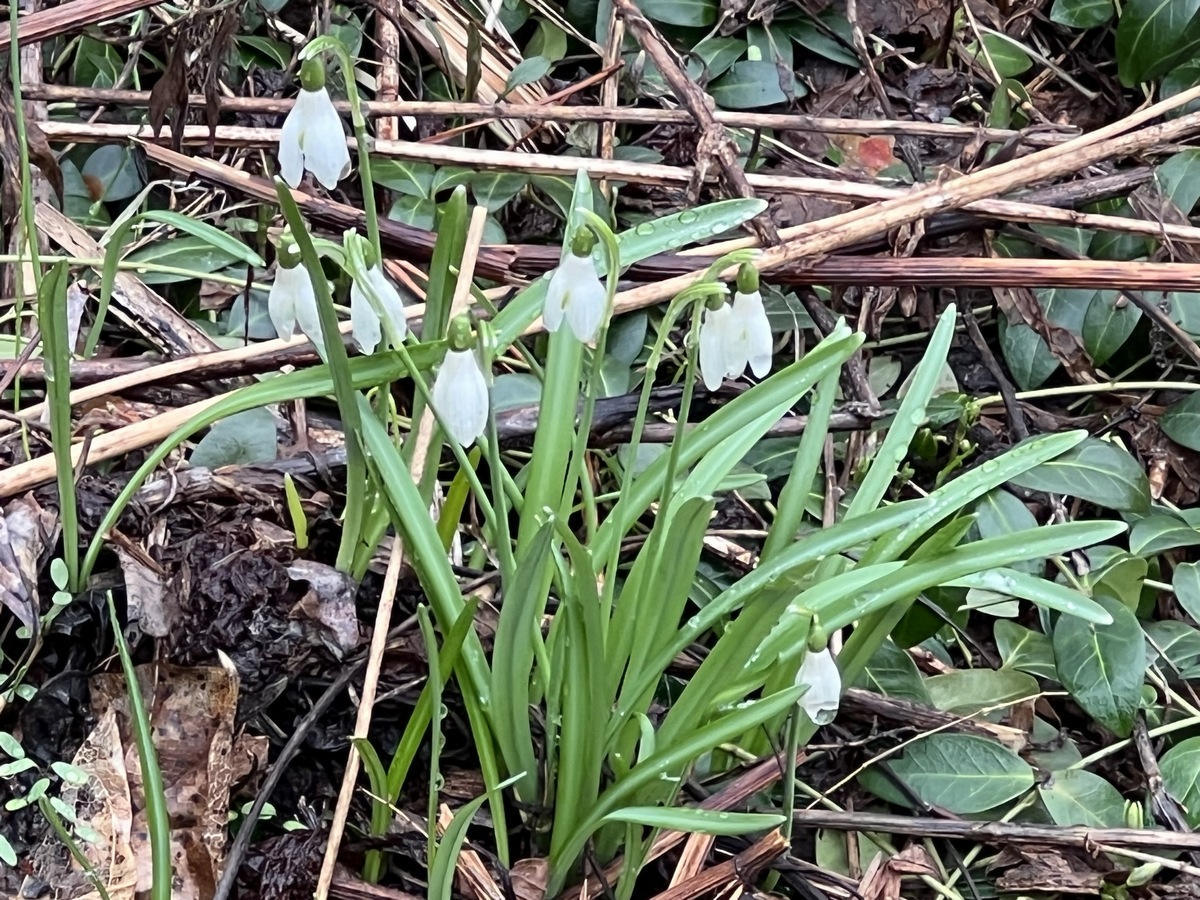
Clusters of snowdrops were blooming—small, white, and easy to overlook if you weren’t paying attention. But there they were, pushing up through the cold ground, quietly signaling that spring is about to bust through.
There weren’t many birds. A few here and there, but nothing like the chorus that will come. Still, the plants are beginning to green up, and that shift is noticeable if you take the time to look.
And the Onesquethaw Creek was moving steadily along, rolling its way toward the Hudson River. It didn’t seem concerned about winter holding on or spring pushing in. It was just doing what it does—moving forward.
As I looked back through the photos later, it struck me that what I was really noticing wasn’t just what I was seeing—but how I was seeing it. The overlap. The transition. The quiet movement from one season to the next.
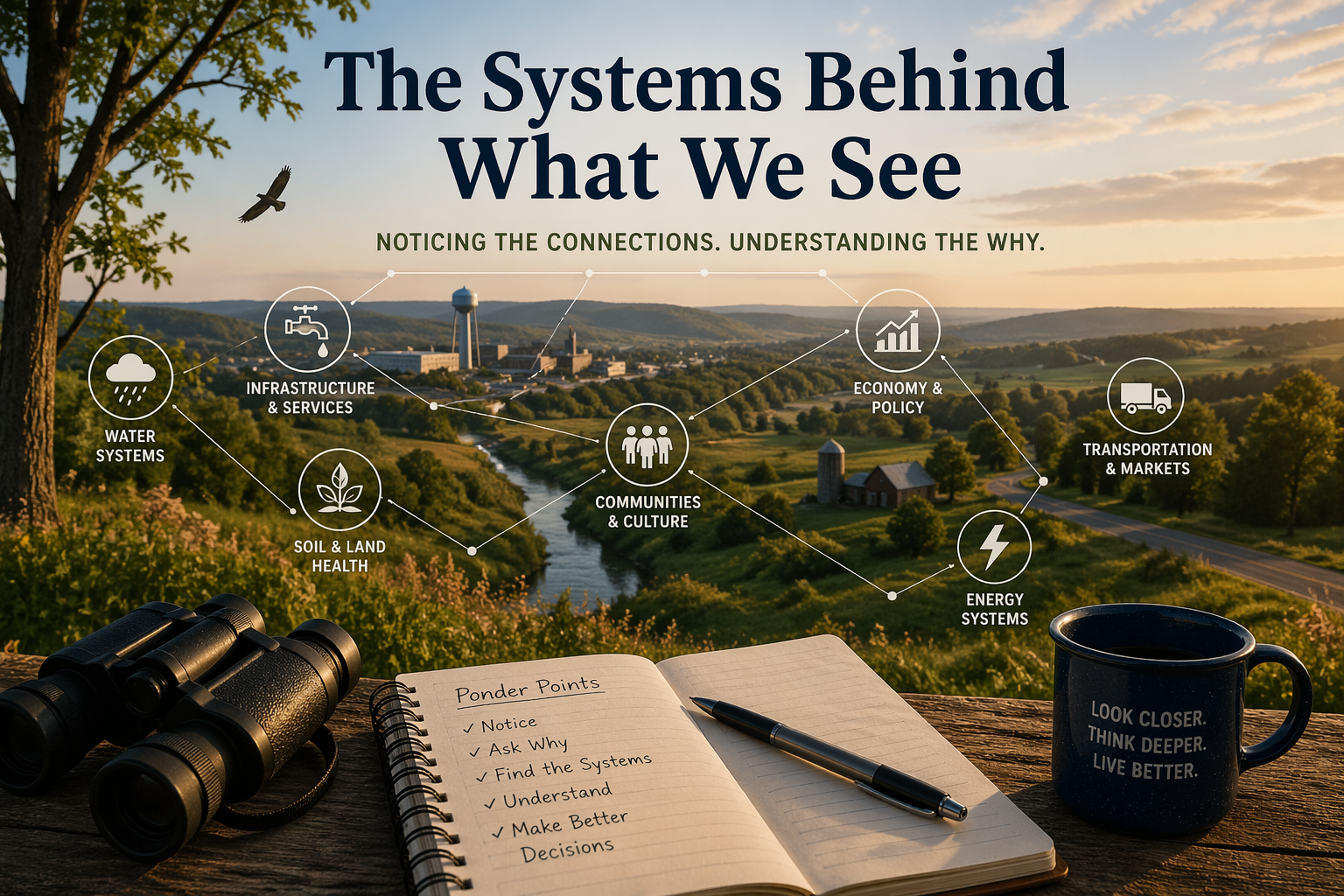
That led me to experiment with something new—a short video set to a song I created called The Stewardship Way.
Maybe the Stewardship Way isn’t something you arrive at all at once.
Maybe it begins by noticing… that even when winter still lingers, something new is already on its way.
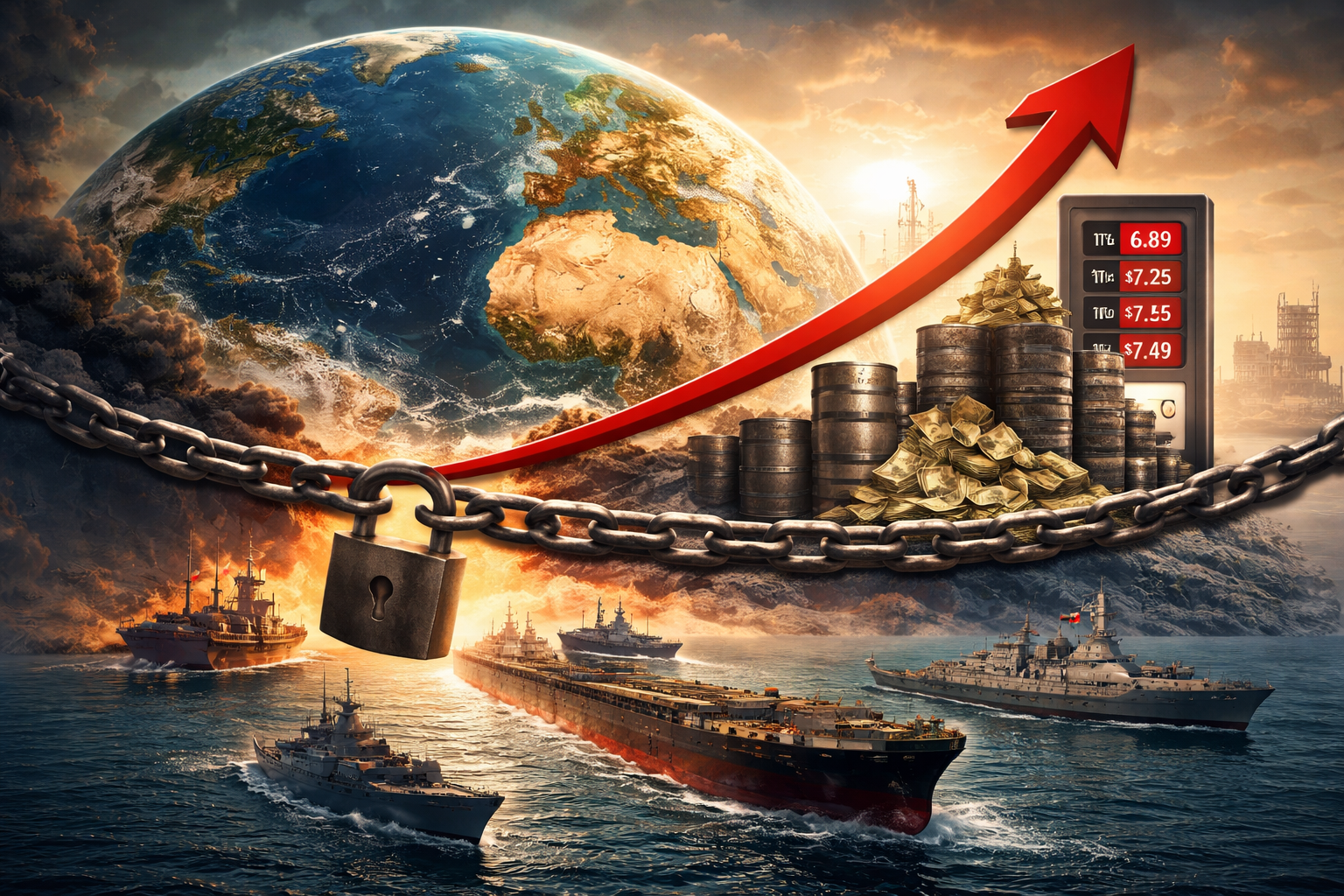
This morning I found myself thinking about the Strait of Hormuz and the rising cost of fuel.
The narrative being repeated over and over is pretty simple:
Iran closed the Strait, oil prices went up, and now consumers are paying the price.
In that narrative, Iran becomes the villain—holding the world hostage.
But something about that didn’t sit quite right with me.
So I paused and asked a different question:
Who is actually benefiting from higher oil prices?
Because whenever prices go up across an entire global system, somebody is making more money.
And when I started thinking about it that way, the picture began to shift.
Oil producers are selling the same product at higher prices.
Energy companies are reporting higher revenues.
Traders are making money on volatility.
Meanwhile, consumers are paying more at the pump.
So now I’m left wondering:
Is this really a story about one country holding the world hostage…
or is it a story about a global system that has made itself vulnerable to a single narrow passage of water?
It made me think of something I’ve come to believe over time:
The real problem is often not the disruption…
but the system that makes the disruption so powerful.
After thinking about this more and doing some basic research, I wrote an article on my Conservation Lifestyles publication on Substack. If you are interested in reading it:
Yesterday morning, while doing what most of us do without much thought, I found myself wondering about something I had never really considered before—where did toilet paper come from?
Not the store. Not the brand.
I mean…where did the idea come from?
That question led me down one of those internet rabbit holes that start simple and end somewhere between history, human behavior, and things you probably didn’t really want to know.
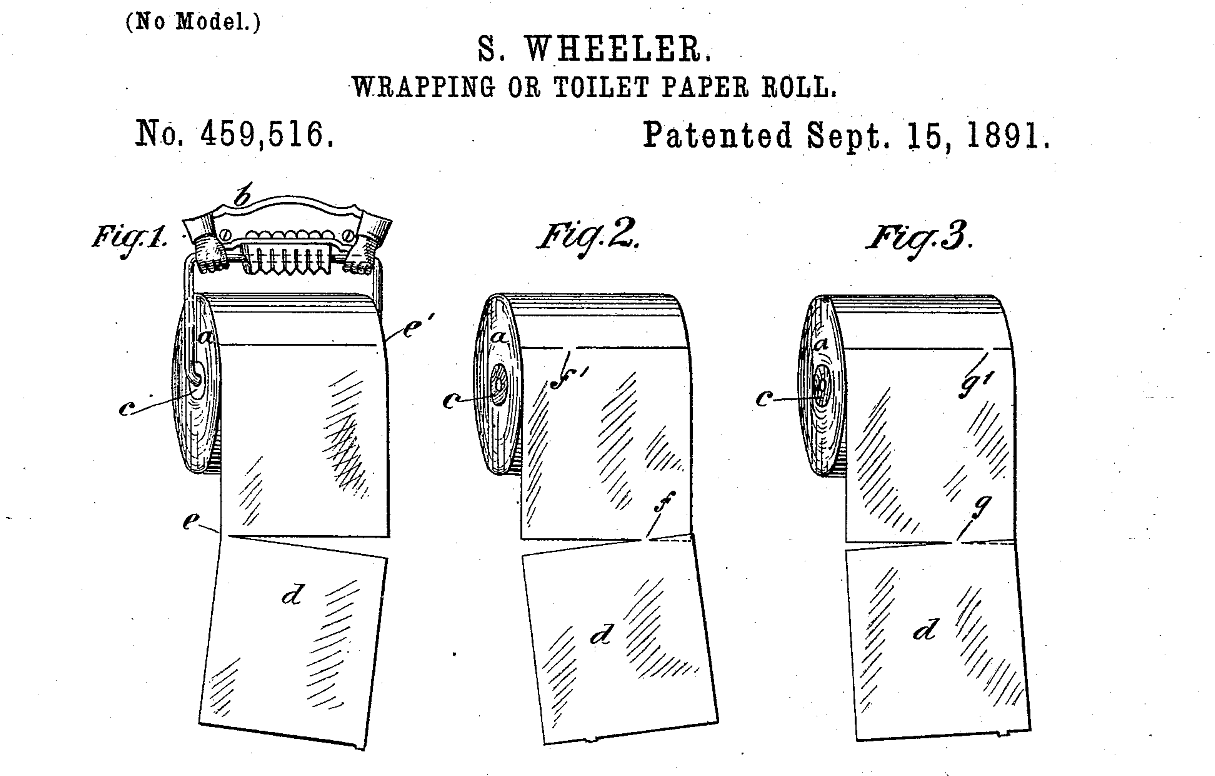
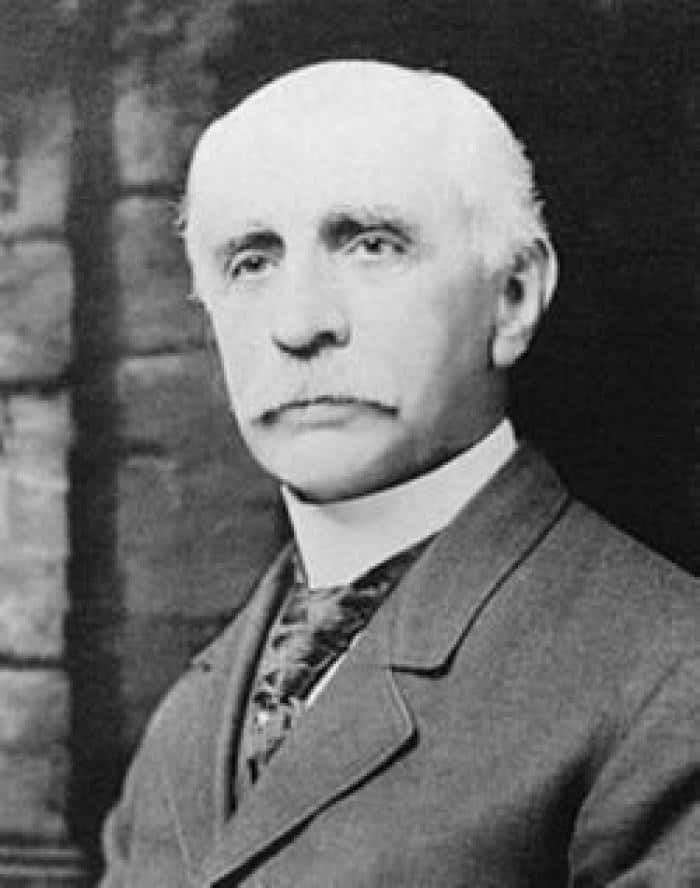
Some say it was Joseph Gayetty, who first sold packaged sheets in the 1800s. Others point to Seth Wheeler, an Albany, New York inventor who patented the perforated roll—the version we all recognize today.
Seth Wheeler
So which one invented toilet paper?
Turns out…both did.
One introduced the product. The other made it practical.
And just like that, something as ordinary as a roll of toilet paper becomes a small story about innovation, convenience, and how ideas evolve over time.
But here’s what struck me more than anything.
Most of us never think about it.
We just expect it to be there.
Clean. Convenient. Ready to use.
Yet behind that simple roll is an entire system—trees, water, manufacturing, transportation, packaging, and waste. A quiet, invisible chain of decisions and resources that we rarely notice.
Until, of course…we do.
And maybe that’s the real point of this little thought.
Not toilet paper.
But how many parts of our daily lives are built on systems we don’t see, don’t question, and don’t fully understand?
The Stewardship Way, at least for me, often begins like this.
Not with big issues.
But with small moments of noticing.
Even the crappy ones.
And now when the weather is a bit better, I have to go visit Seth Wheeler’s grave site in the Albany Rural Cemetery.
Several days ago, during one of those unseasonably nice days here in Albany County, New York, my wife Theresa and I went for a walk down the road where we live.
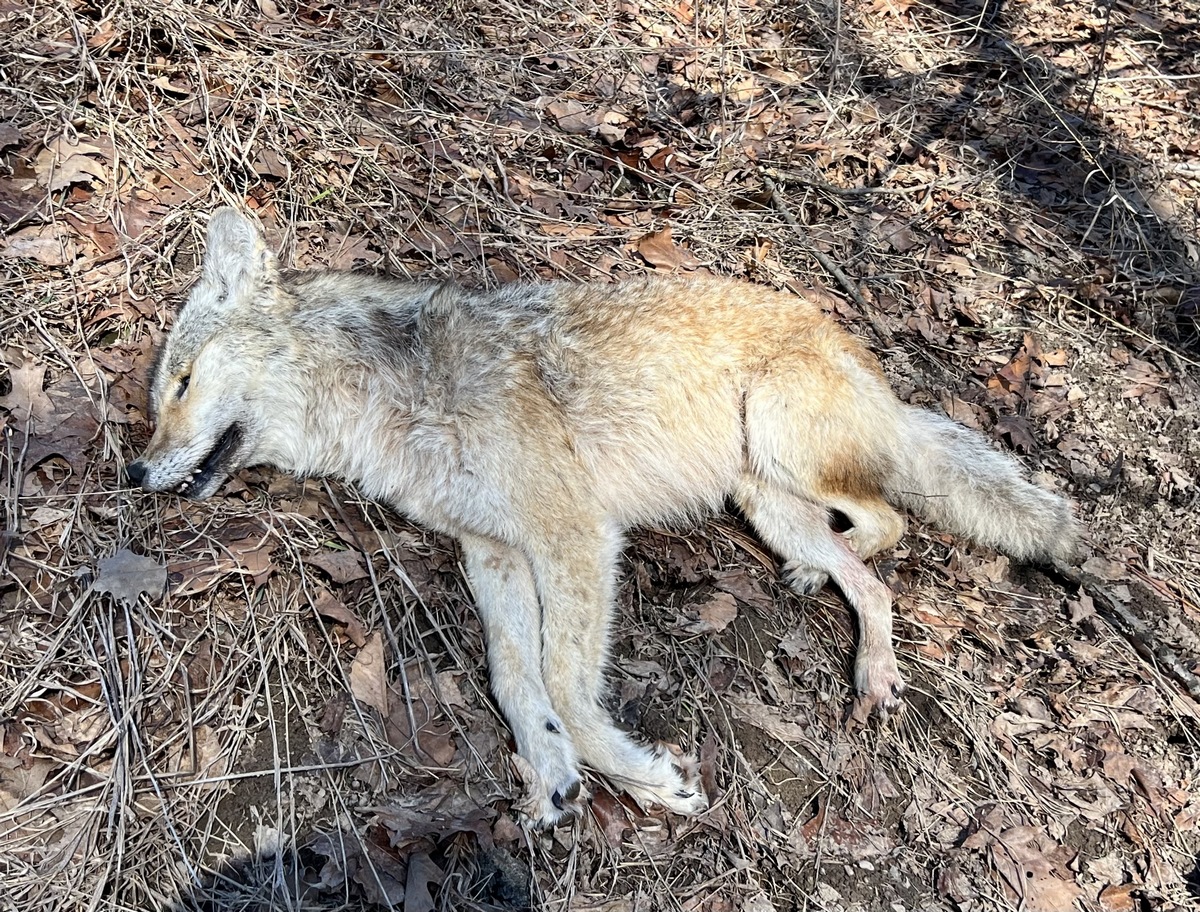
During our walk, Theresa noticed something lying on the ground, nearly out of sight over an embankment, and said, “I wonder what that is?”
We walked over to take a closer look and discovered a dead coyote that had apparently been hit by a car.
I took note of it.
But it also got me to thinking.
Not just about what we saw…
but about what it might mean.
If you’d like to know what that dead coyote got me thinking about, you can read more on The Nature of Things.
Want to follow along?
If you’d like to be notified when I post Field Notes like this, you can subscribe for free to The Nature of Things here: https://natureandthings.substack.com
Today I’ll be making another “shipping run” to the post office.
That’s become a regular part of what I do through The Conservation Company—selling items on eBay, not so much as a business aimed at maximizing income, but as a way to keep useful items out of landfills and give them a second or third life.
At least, that’s the idea.
But over the past few years, something has been changing.
The shipping part of this process has become more expensive, more time-consuming, and increasingly unreliable.
Shipping costs now often rival—or exceed—the value of the item itself. And since those costs must be passed along to the buyer, something interesting happens:
Items that are perfectly useful… Items that someone might genuinely want… …suddenly become “too expensive” to justify purchasing.
Not because of the item itself—but because of the system required to move it.
And then there’s the reliability issue.
We live on a rural route, and it has become increasingly clear that delivery is inconsistent. Some days, it feels like our route is simply skipped. Other days, we receive mail that belongs to our neighbors, while our neighbors receive ours.
I spoke with the manager of our small local post office, and the explanation was straightforward: they can’t find enough people to fill open positions. So they bring in workers from other areas—people who don’t know the routes, the names, or the patterns of the community.
In other words, the system is still operating… …but it’s no longer functioning the way it once did.
And then this morning, I read something that put all of this into a much bigger context.
According to a Reuters report, the new Postmaster General is considering major changes—ending six-day delivery, closing post offices, and raising stamp prices to $1 or more. At the same time, mail volume—the Postal Service’s most profitable segment—continues to decline.
The warning was blunt:
“The failure to do this could lead to the end of the Postal Service as we know it now.”
That’s a powerful statement.
And it made me stop and think.
Because what I’m experiencing locally isn’t just a local issue—it’s a reflection of a system under stress.
A system that many of us still depend on.
A system that, in many ways, has quietly supported everyday life—especially in rural communities like ours.
What Does This Mean?
From a Stewardship Way perspective, this raises an important question:
What happens when the systems we rely on to do the right thing…no longer support the right thing?
Right now, it is often easier—and sometimes cheaper—to throw something away than it is to give it a second life.
Think about that.
We talk a lot about recycling, reuse, and sustainability. But the underlying systems—shipping, logistics, labor—are not necessarily designed to support those goals.
They are designed for efficiency, scale, and volume.
And when those systems begin to strain, the first things to suffer are often the smaller, quieter activities—like one person trying to sell a used item to another person who could use it.
A Thought Moving Forward
I’m not sure what the solution is.
But I am beginning to wonder if part of the answer lies closer to home.
Maybe the future of reuse and conservation isn’t just about national platforms and long-distance shipping.
Maybe it’s about more local connections. More community-based exchanges. More “second lives” happening closer to where things already are.
That’s something I’ll be thinking about today…as I make another trip to the post office.
Want to follow along?
If you’d like to be notified when I post Field Notes like this, you can subscribe for free to The Nature of Things here: https://natureandthings.substack.com
While digging through an old bankers box the other day, I came across something that stopped me for a moment.
An article I wrote in 1995.
The title was:
“Ego-System Management.”
I had to smile a bit when I saw it.
Not because I remembered every word I wrote—but because I immediately remembered the idea.
And as I sit here today, nearly thirty years later, I realize something…
That idea may be more relevant now than it was then.
Back in 1995, I was trying to describe something I was seeing in organizations and in people.
A pattern.
A way of thinking.
A way of making decisions.
At the time, I called it ego-system management—a play on the word ecosystem.
The difference was simple.
An ecosystem is built on relationships, balance, and long-term sustainability.
An ego-system is built on self-interest.
The more I look around today, the more I see how often we operate from that ego-system mindset.
We respond to what’s in front of us.
We focus on immediate problems.
We make decisions based on what benefits us—or our organization—right now.
And to be fair, that’s human nature.
But when that way of thinking becomes the norm, something begins to happen.
We stop seeing the system.
Instead of asking:
How does this all fit together?
What are the long-term consequences?
We start asking:
What solves this today?
What works for me right now?
And over time, those small decisions add up.
I’ve seen this play out in organizations.
I’ve seen it in communities.
I’ve seen it in business decisions that made sense in the short term—but created bigger problems down the road.
And if I’m being honest, I’ve seen it in myself as well.
What struck me as I reread that old article wasn’t just the idea.
It was the realization that I’ve spent much of my life—often without fully realizing it—trying to move from ego-system thinking to ecosystem thinking.
What I now call my Stewardship Lens is really just another way of saying the same thing.
Ecosystem thinking requires us to slow down.
To step back.
To connect the dots.
To consider not just what works—but what lasts.
That’s not how most of the world operates.
We live in a time where quick answers are rewarded.
Short-term results are celebrated.
And long-term thinking often takes a back seat.
But maybe that’s exactly why this idea still matters.
Maybe even more so today.
So finding that article from 1995 wasn’t just a trip down memory lane.
It was a reminder.
That some ideas don’t go away.
They just wait for the right time to be seen again…with a little more clarity.
Field Note to Self
When making decisions…
Ask yourself:
Am I managing an ego-system…
Or contributing to an ecosystem?
Want to be notified when new Field Notes are posted? You can subscribe for free to The Nature of Things on Substack: https://natureandthings.substack.com
There are moments in life that don’t feel important at the time.
They seem ordinary…routine…just part of growing up.
It is only later—sometimes decades later—that you begin to understand that those moments were not ordinary at all. They were the beginning of everything.
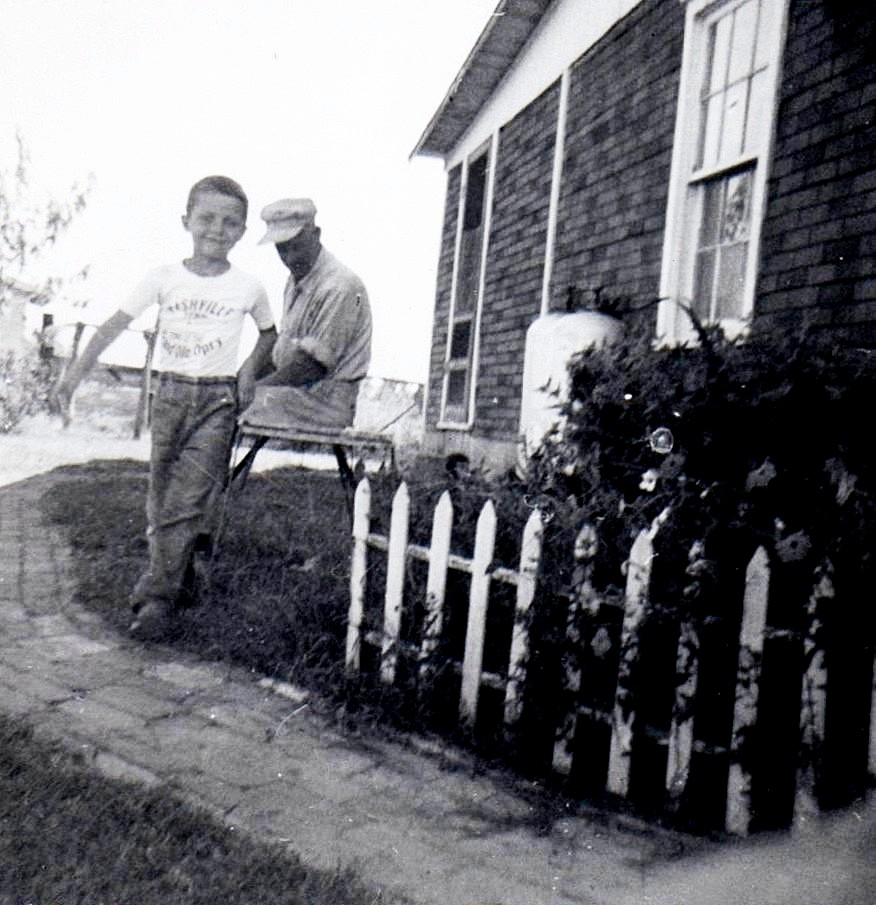
I recently came across an old photograph of my Grandpa Ben Dodson and me standing outside his house. I don’t know exactly what year it was taken, but I do know what it represents.
That small house, the front porch, and even the old wooden washboard table sitting nearby…that was my launching pad.
At the time, I had no idea.
My grandparents were both born in 1882. Even when I visited them in the 1950s and early 1960s, it felt like stepping back into the late 1800s.
There was no indoor plumbing.
The kitchen sink had a hand pump, drawing water from a well.
The house was heated by a potbelly coal stove.
The bathroom was an outhouse.
As a kid, I remember thinking…this is a lot of work.
And it was.
But what I didn’t understand then was that I wasn’t just visiting a place.
I was being introduced to a way of living…a way of thinking…a way of seeing the world.
Some of my clearest memories are not of big events, but of simple conversations.
Sitting on the front porch.
Or sitting beside Grandpa on that old washboard table.
That’s where I began asking questions.
Questions about the land…about how things used to be…about where we came from.
It was also where I first held an old stone axe head that Grandpa had found on the farm. He gave it to me, and without either of us knowing it, that simple act sparked a lifelong interest in rocks, fossils, and relics.
And it was where I first began asking about our family history.
Grandpa didn’t say much.
At the time, I didn’t think much about that either.
It was only years later that I came to understand why.
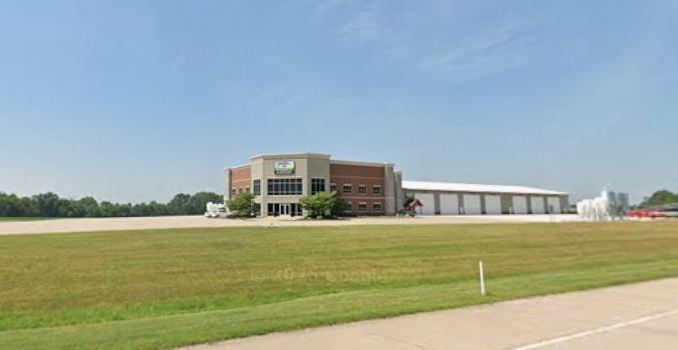
Today, that farm is gone.
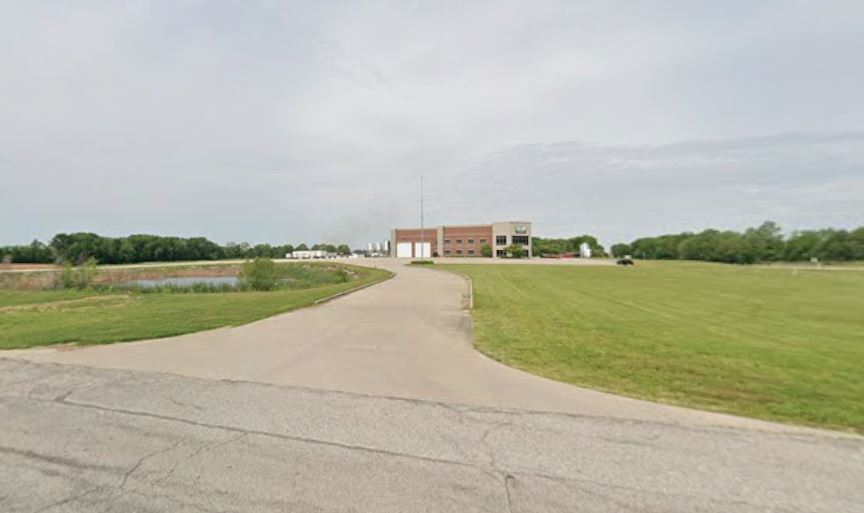
Former Site of Grandpa and Grandma Dodson’s House
People drive by the site every day and have no idea what used to be there.
A four-lane highway now cuts across what was once a pasture where my dad and I hunted rabbits. Later, that same field became a place where he would hit golf balls and I would catch them with my baseball mitt—his way of practicing his golf game, and mine of practicing baseball.
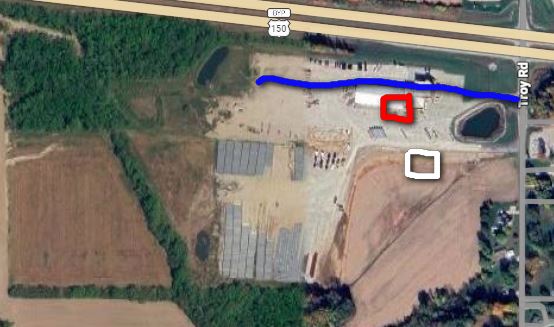
The old lane that once came off Troy Road—where I first learned to drive a car with my dad sitting beside me—is now a paved entrance leading back to a commercial complex.
What was once open farmland is now a mix of gravel, dirt, and industrial activity.
The house is gone.
The barn is gone.
The pasture is gone.
And so are the people who gave those places meaning.
Site of the old gravel lane.
But the lessons are not.
Looking back, I now see that those visits were not just childhood memories.
They were the beginning of a way of life that I would carry forward without even realizing it.
That farm was where my curiosity began.
It was where I first learned to observe.
It was where I first started asking questions.
It was where I first connected people, place, and history.
In many ways, it was where I first began becoming what I now call a “steward.”
At the time, I thought I was just spending time with my grandparents.
I didn’t realize I was standing on the launching pad for the rest of my life.
As I continue going through old files, photographs, and memories, I find myself seeing things differently.
Moments that once seemed small now feel significant.
Lessons that once went unnoticed now stand out clearly.
And places that no longer exist physically still exist very much in the path they helped create.
Gravel Lane in Blue, House in Red and the old White Barn in White
It makes me wonder…
How many of us have places like that in our lives?
Places that quietly shaped who we became.
Places we didn’t fully understand until much later.
Places that, even though they may be gone, are still very much a part of who we are.
Maybe the real lesson is this:
Pay attention to the ordinary moments.
Because one day, you may look back and realize…
They were never ordinary at all.
Want to be notified when new Field Notes are posted? You can subscribe for free to The Nature of Things on Substack: https://natureandthings.substack.com