Tag Archives: Ron Dodson

A Walk at Papscanee

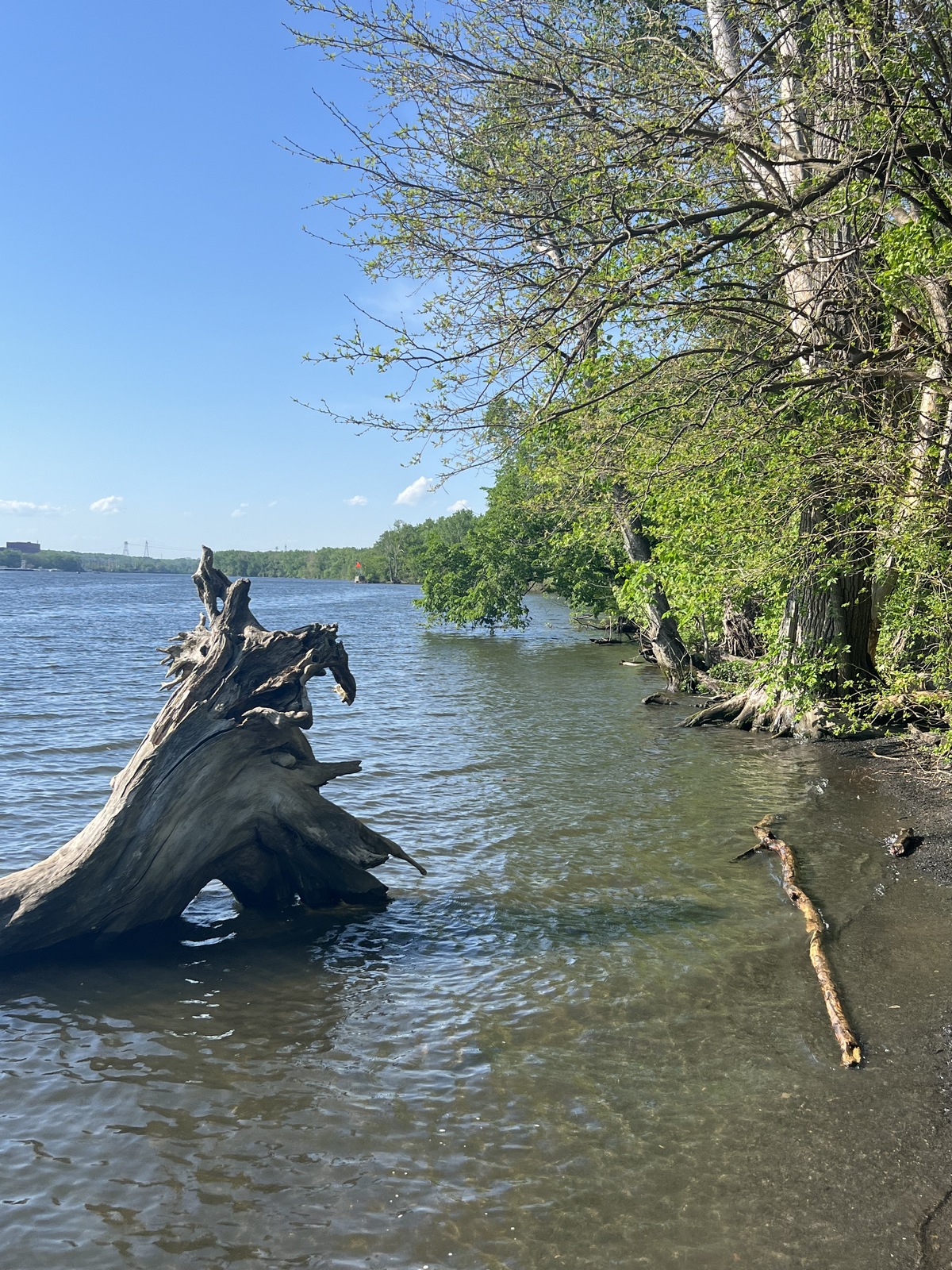
Yesterday, Theresa and I decided to visit Papscanee Island Nature Preserve, located just six miles from our home—as the crow flies. Of course, crossing the Hudson River by car is a very different journey than flying in a straight line. About thirty minutes later, we arrived.

From the moment we stepped onto the loop trail, I was reminded why exploring local nature preserves has become such an important part of my Stewardship Lifestyle. The fresh spring air, the songs of birds hidden among the trees, the movement of the river, and the quiet sounds of the forest all have a way of helping me slow down, pay attention, and see things I might otherwise miss.

One of my favorite moments was spending time along the banks of the mighty Hudson—watching the water, studying the shoreline, and thinking about all the stories this river has carried over thousands of years.
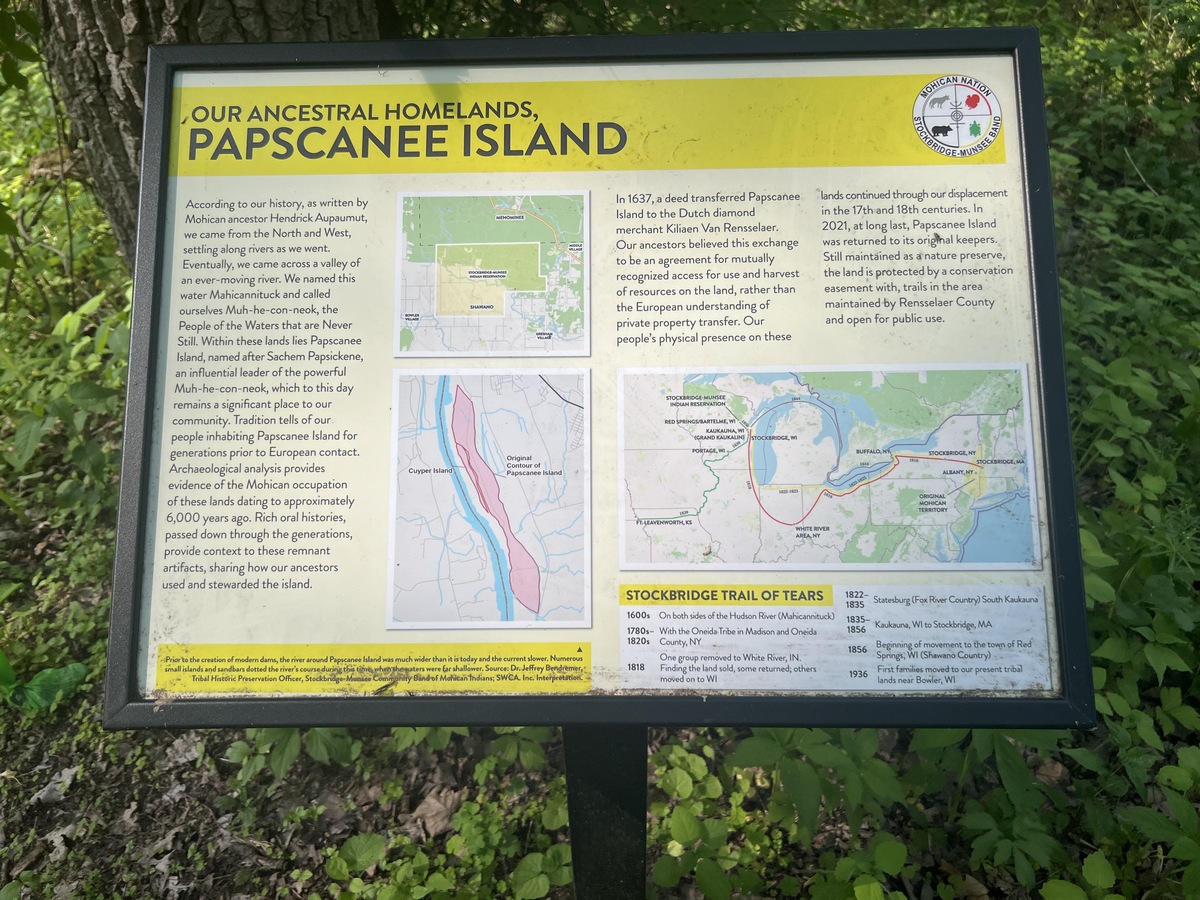
But this visit was about more than just another enjoyable hike.

There was also a deeply personal reason why Papscanee was high on my list of places to visit—one connected to my own family history and a story that reaches back generations.

I’ll be sharing that story soon in a future article in The Nature of Things.

To follow along, you can subscribe for free at The Nature of Things
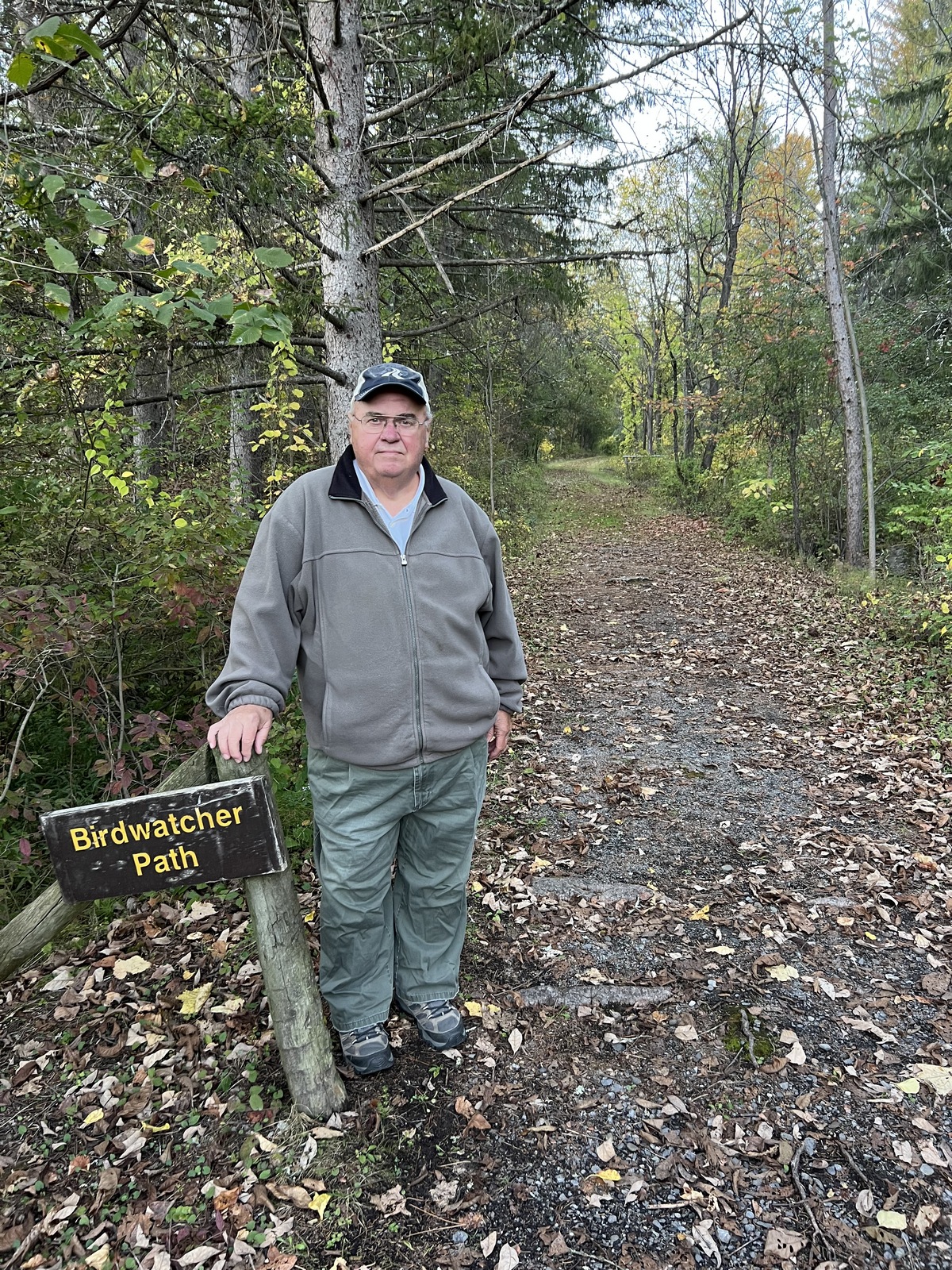
Not Retired From Life

I’m in my late seventies now, which by some definitions makes me an old guy. That part doesn’t bother me much.

What interests me more is whether a person is still alive in spirit, curious in mind, and engaged in life.

Many people retire from jobs. Some, often without realizing it, begin retiring from life itself. They stop exploring, stop noticing, stop learning, and slowly allow their world to grow smaller.

I chose a different path.

I still walk. I still travel. I still notice things. I still wonder why places work the way they do, why landscapes change, why communities struggle, and how life might be improved.

In many ways, I’m still doing some of the same things I was doing in the early 1970s—paying attention, caring about nature, thinking about stewardship, and hoping to encourage others to become more engaged in life.

The job titles may have changed. The seasons of life may have changed. But curiosity, purpose, and the desire to contribute do not need to retire.

These days I continue that journey through my writing, where I share observations, lessons from the past, and practical ideas for living with more purpose, joy, and stewardship.

If that interests you, I invite you to visit my Publications page:

https://www.rgdodson.com/publications

You may find something there that speaks to where you are in life right now.

I may be retired from certain jobs.

But I’m not retired from life.

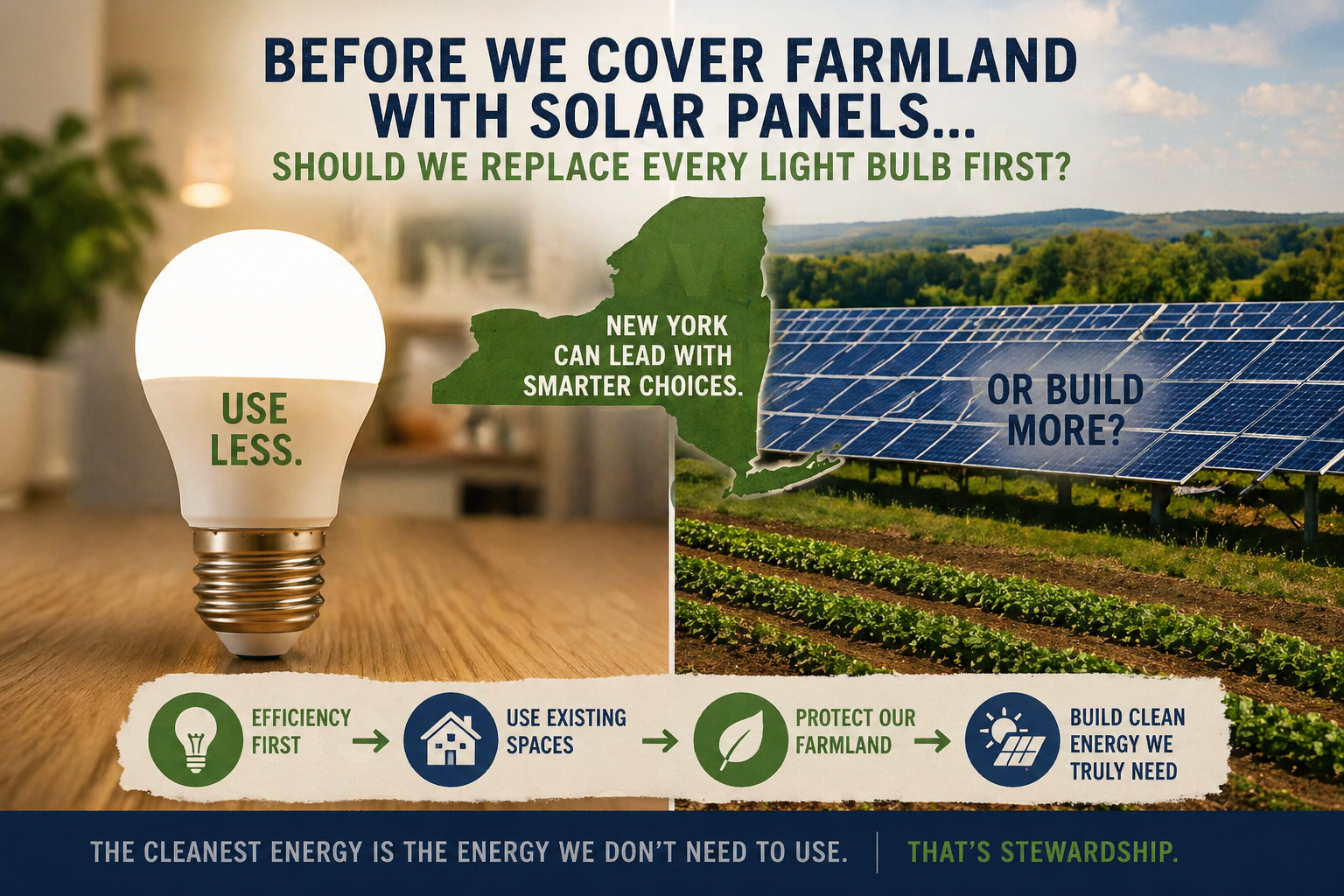
Before We Cover Farmland With Solar Panels…

I found myself wondering:

Before New York converts more farmland into large solar fields, what if we first made sure every outdated light bulb in the state was replaced with LEDs?

The numbers suggest that doing so could reduce electricity demand by billions of kilowatt-hours each year—potentially offsetting the need for tens of thousands of acres of solar development.

Sometimes the cleanest energy is not what we generate.

It is what we no longer need.

That may not be as visible as rows of solar panels across open land, but it may be one of the smartest forms of climate action available.

Maybe stewardship begins by wasting less first.

— Ron Dodson
rgdodson.com

If you would like to read further about this topic CLICK HERE

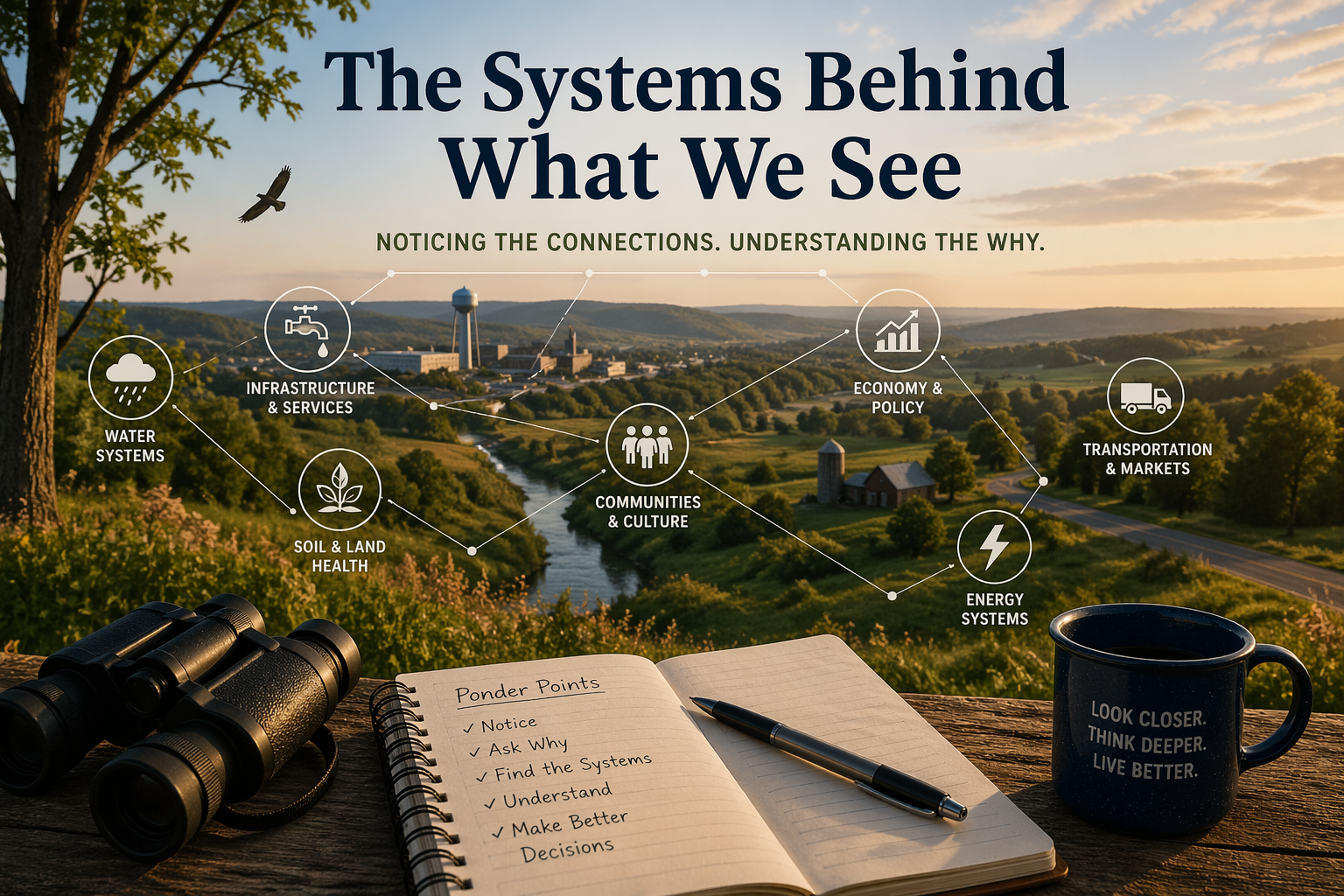
The Systems Behind What We See

Yesterday I wrote about noticing places and things that catch my attention.

An old hotel site now sitting empty.

A higher water bill.

A bird I used to see often, but no longer do.

What I have come to understand is that very little happens “just because.”

Most things we notice are the visible results of systems working well, breaking down, changing direction, or reacting to decisions made long ago.

That empty lot may reflect changes in travel patterns, economics, land values, or community priorities.

That water bill may reflect infrastructure costs, treatment requirements, regulations, energy prices, and long-delayed maintenance.

That missing bird may reflect habitat loss, pesticide use, climate shifts, or changes in food sources.

What we see is often only the surface.

Beneath it are connected systems—natural systems, economic systems, social systems, and human decisions.

This way of looking at life has changed how I move through the world.

Now when something catches my attention, I often ask:

What systems are behind this?

That simple question opens doors.

It turns curiosity into understanding.

It turns complaints into insight.

It turns everyday life into a learning experience.

You do not need to be an expert to begin.

Just notice something.

Then ask what may be going on beneath the surface.

That is often where wisdom begins.

Want to read more about these systems? CLICK HERE

Ron Dodson
rgdodson.com

Where I Hang My Hat

This morning I found myself thinking about how often I refer to the same few places when I write.

New York. Indiana. Florida.

At first, I thought that was just habit.

But the more I paid attention, the more I realized something else was going on.

These are the places where I have spent enough time to notice things.

Not just what is there—but what used to be there.

Not just what something looks like—but how it got that way.

A road that has been rerouted.

A hotel that disappeared.

A stream that doesn’t flow the way it once did.

The more I notice, the more I see that every place has a story.

And most of those stories are shaped by systems—natural systems, economic systems, and human decisions layered over time.

It made me wonder:

Maybe the place where you “hang your hat” is more important than you think.

Not because of where it is.

But because of what it allows you to see.

And maybe the first step in understanding anything…

is simply staying in one place long enough to notice what has changed.

If you want to read more about this CLICK HERE

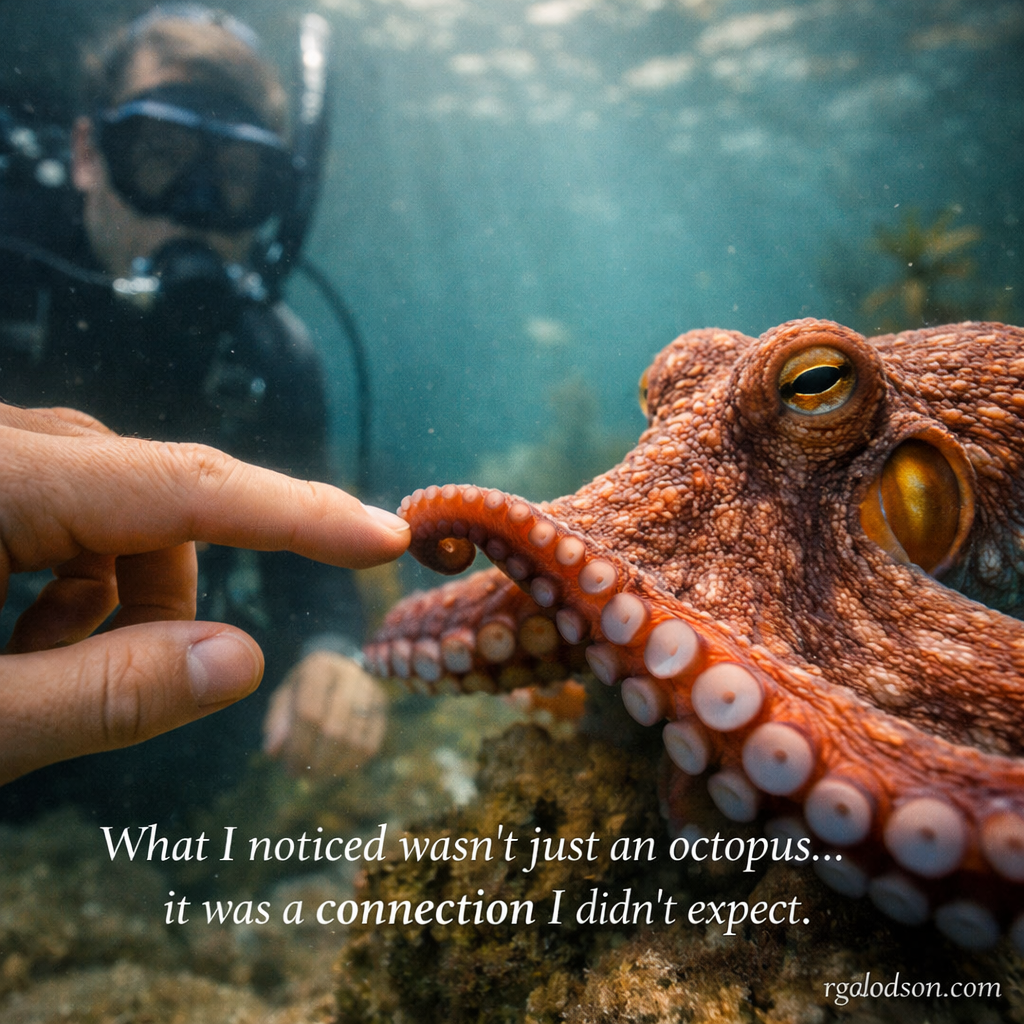
What I Noticed Watching an Octopus

I watched a documentary the other night called My Octopus Teacher.

My son Eric suggested I watch it. I’m glad he did.

I didn’t expect much more than an interesting look at life underwater.

I certainly didn’t expect to feel anything.

But somewhere along the way, I found myself watching—not just an octopus—but a life. A living being making decisions, solving problems, adapting, hiding, exploring… surviving.

And at one point, I realized I had become emotionally invested.

In an octopus.

That caught me off guard.

What I Noticed

I noticed that the more time the filmmaker spent observing the octopus, the more the octopus seemed to become… someone, not something.

It wasn’t just reacting.

It was choosing.

It was learning.

It was living.

And the more I watched, the harder it became to see it as just another creature in the sea.

What It Made Me Wonder

How many lives do I pass by every day without ever really seeing them?

Not just in the ocean—but in my own backyard, along the roadside, in the woods, even in the air above me.

How often do I notice something briefly… and then move on?

And what would happen if I stayed a little longer?

A Thought to Ponder

Maybe the difference between indifference and care is simply this:

Time spent paying attention.

I’m glad Eric suggested it.

It reminded me how much there still is to notice.

Want to read more? CLICK HERE

What I Noticed at Hollyhock Hollow

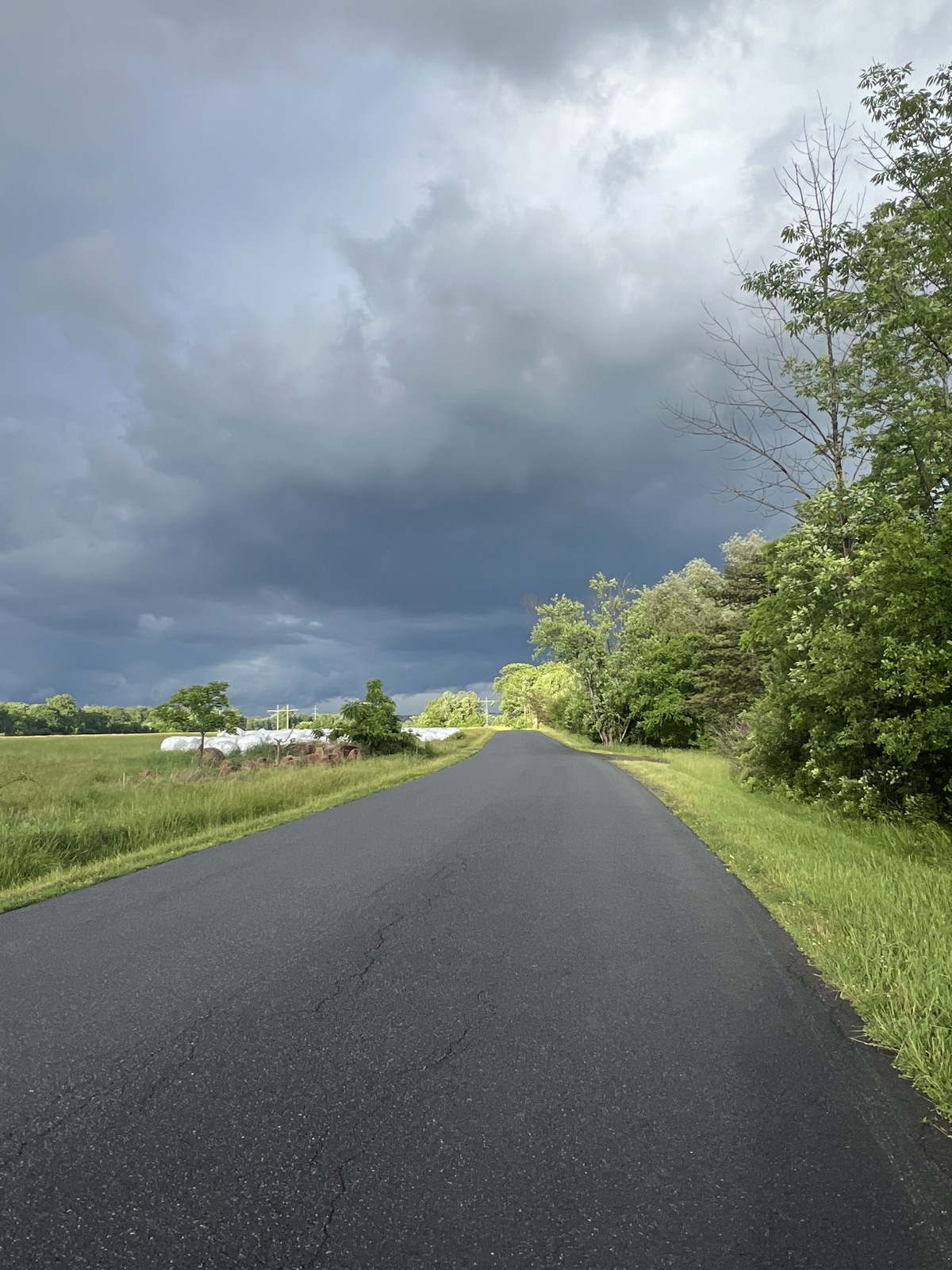
A couple of weeks ago, Theresa and I took a walk along Rarick Road through Hollyhock Hollow. Nothing unusual was planned—just a walk down Rarick Road, because the trails were still to soft and muddy. But as usual, I noticed a few things.

Winter still had a grip on the landscape. Snow lingered along the sides of the road, tucked into the shaded edges, not quite ready to give way. It was a reminder that the season doesn’t just switch—it loosens, slowly.

But right alongside that lingering cold, something else was happening.

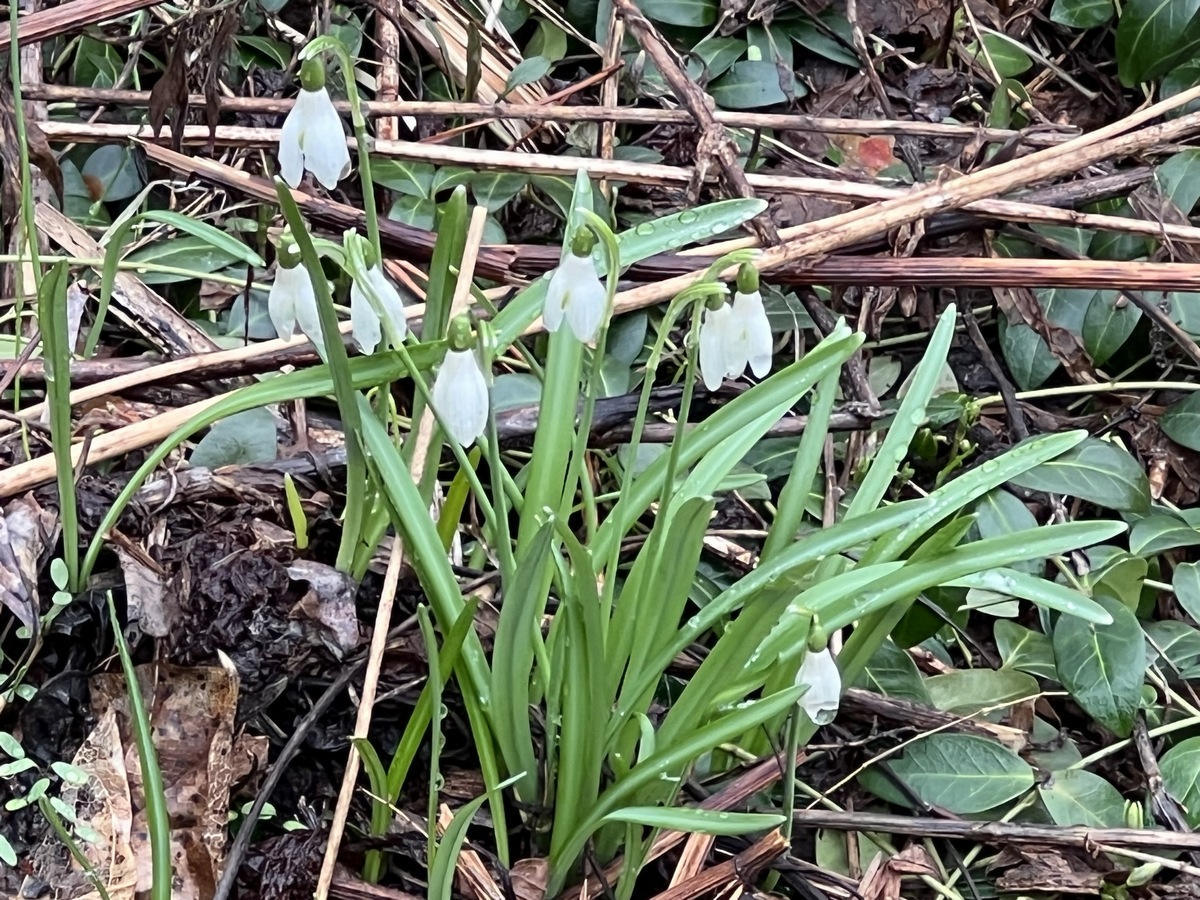
Clusters of snowdrops were blooming—small, white, and easy to overlook if you weren’t paying attention. But there they were, pushing up through the cold ground, quietly signaling that spring is about to bust through.

There weren’t many birds. A few here and there, but nothing like the chorus that will come. Still, the plants are beginning to green up, and that shift is noticeable if you take the time to look.

And the Onesquethaw Creek was moving steadily along, rolling its way toward the Hudson River. It didn’t seem concerned about winter holding on or spring pushing in. It was just doing what it does—moving forward.

As I looked back through the photos later, it struck me that what I was really noticing wasn’t just what I was seeing—but how I was seeing it. The overlap. The transition. The quiet movement from one season to the next.

That led me to experiment with something new—a short video set to a song I created called The Stewardship Way.

Maybe the Stewardship Way isn’t something you arrive at all at once.

Maybe it begins by noticing…
that even when winter still lingers, something new is already on its way.

What I Noticed About a 21-Mile-Wide Problem

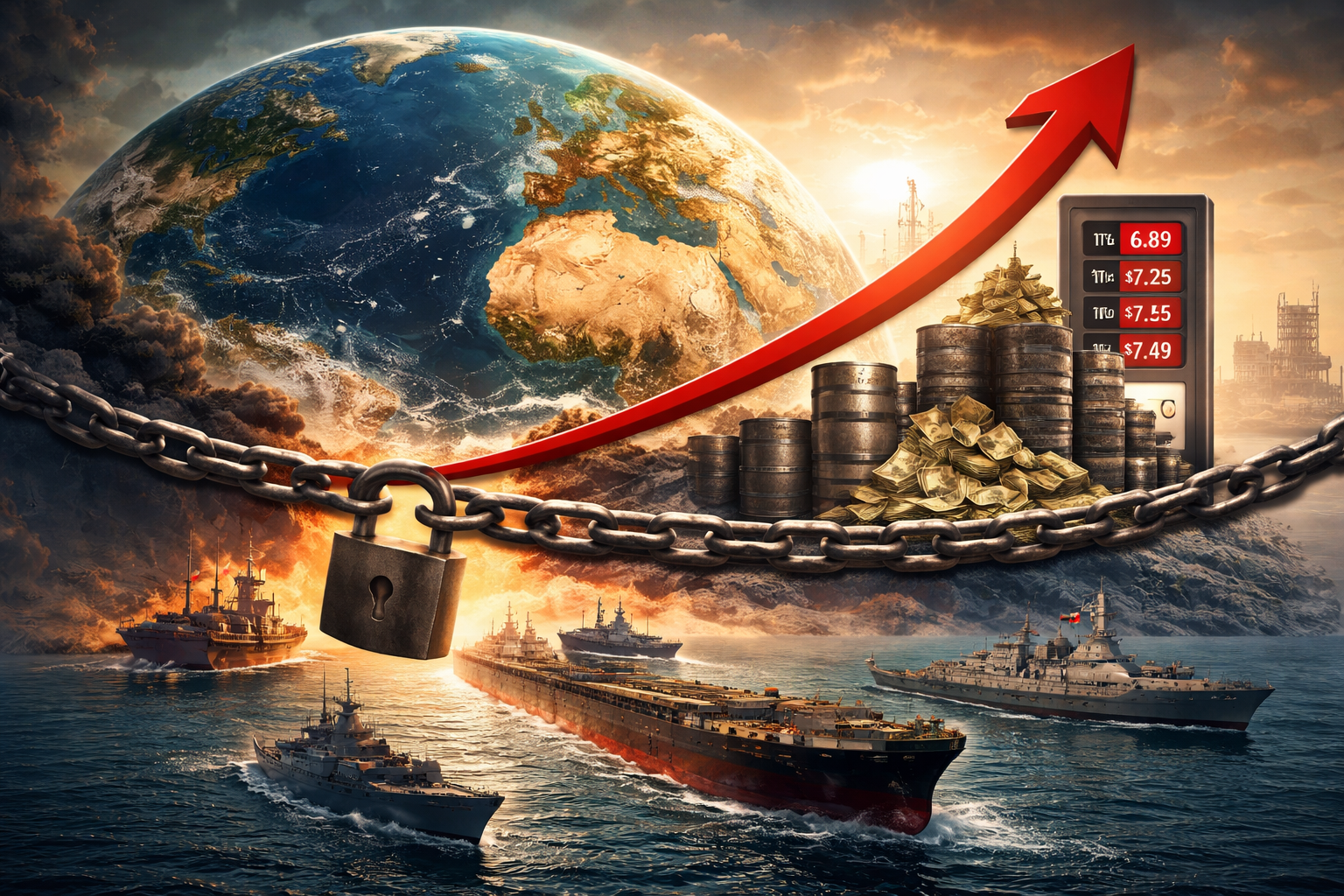
This morning I found myself thinking about the Strait of Hormuz and the rising cost of fuel.

The narrative being repeated over and over is pretty simple:
Iran closed the Strait, oil prices went up, and now consumers are paying the price.

In that narrative, Iran becomes the villain—holding the world hostage.

But something about that didn’t sit quite right with me.

So I paused and asked a different question:

Who is actually benefiting from higher oil prices?

Because whenever prices go up across an entire global system, somebody is making more money.

And when I started thinking about it that way, the picture began to shift.

Oil producers are selling the same product at higher prices.
Energy companies are reporting higher revenues.
Traders are making money on volatility.

Meanwhile, consumers are paying more at the pump.

So now I’m left wondering:

Is this really a story about one country holding the world hostage…
or is it a story about a global system that has made itself vulnerable to a single narrow passage of water?

It made me think of something I’ve come to believe over time:

The real problem is often not the disruption…
but the system that makes the disruption so powerful.

After thinking about this more and doing some basic research, I wrote an article on my Conservation Lifestyles publication on Substack. If you are interested in reading it:

CLICK HERE.

Just Another Crappy Thought

Yesterday morning, while doing what most of us do without much thought, I found myself wondering about something I had never really considered before—where did toilet paper come from?

Not the store. Not the brand.

I mean…where did the idea come from?

That question led me down one of those internet rabbit holes that start simple and end somewhere between history, human behavior, and things you probably didn’t really want to know.

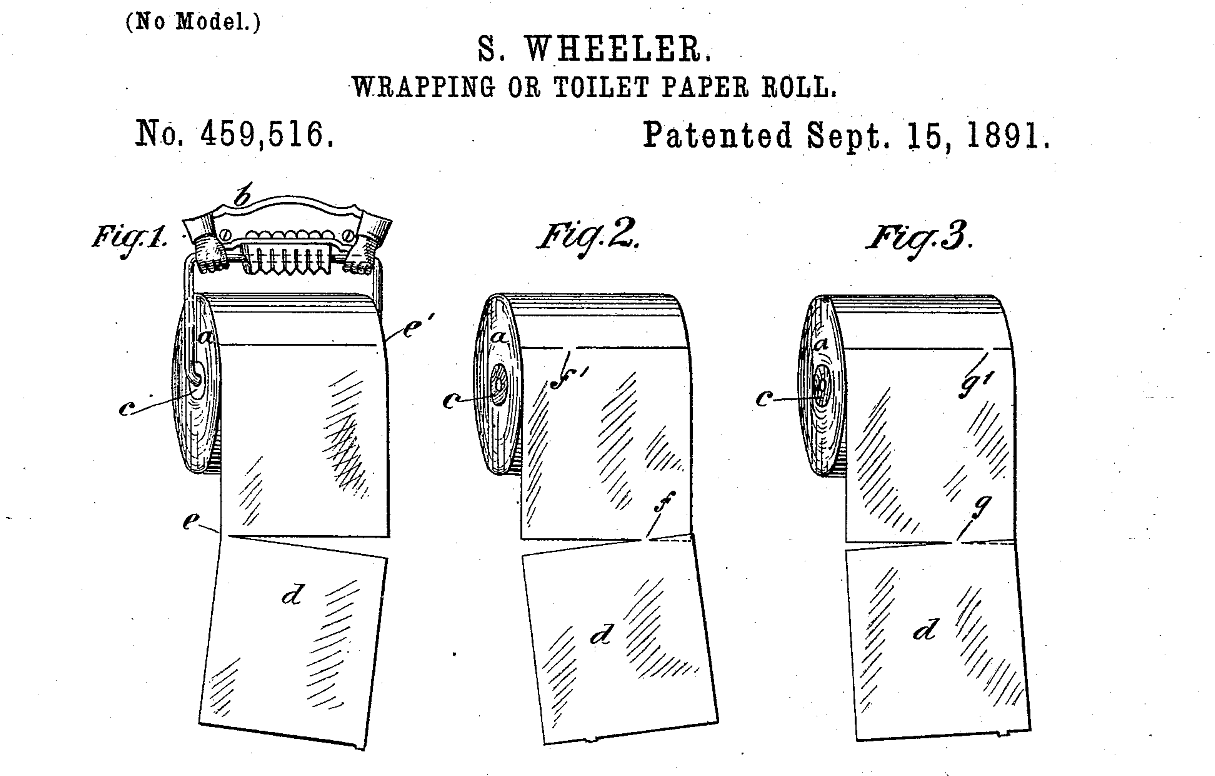
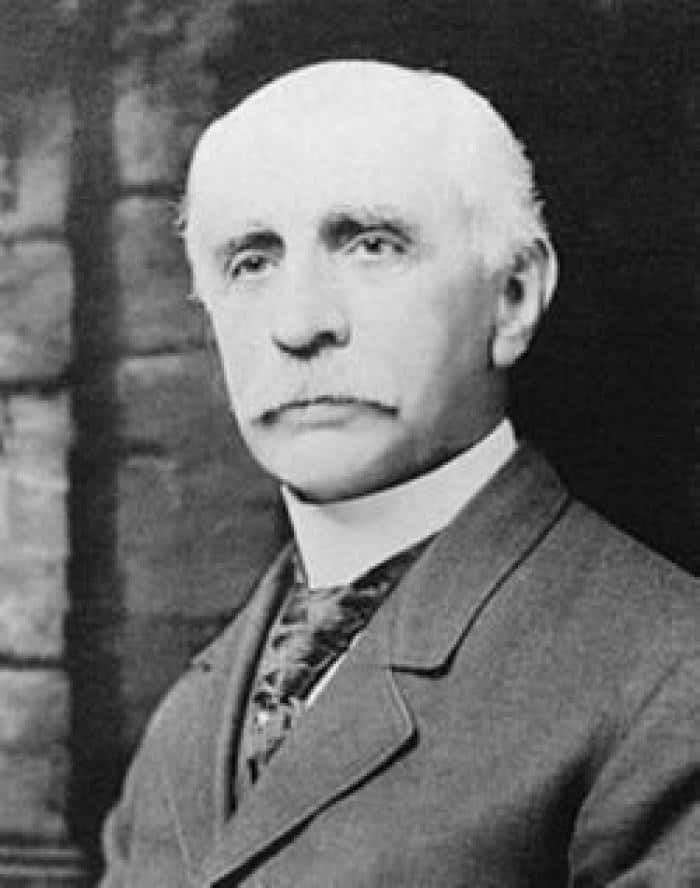
Some say it was Joseph Gayetty, who first sold packaged sheets in the 1800s. Others point to Seth Wheeler, an Albany, New York inventor who patented the perforated roll—the version we all recognize today.

Seth Wheeler

So which one invented toilet paper?

Turns out…both did.

One introduced the product. The other made it practical.

And just like that, something as ordinary as a roll of toilet paper becomes a small story about innovation, convenience, and how ideas evolve over time.

But here’s what struck me more than anything.

Most of us never think about it.

We just expect it to be there.

Clean. Convenient. Ready to use.

Yet behind that simple roll is an entire system—trees, water, manufacturing, transportation, packaging, and waste. A quiet, invisible chain of decisions and resources that we rarely notice.

Until, of course…we do.

And maybe that’s the real point of this little thought.

Not toilet paper.

But how many parts of our daily lives are built on systems we don’t see, don’t question, and don’t fully understand?

The Stewardship Way, at least for me, often begins like this.

Not with big issues.

But with small moments of noticing.

Even the crappy ones.

And now when the weather is a bit better, I have to go visit Seth Wheeler’s grave site in the Albany Rural Cemetery. 


What a Dead Coyote Got Me Thinking About

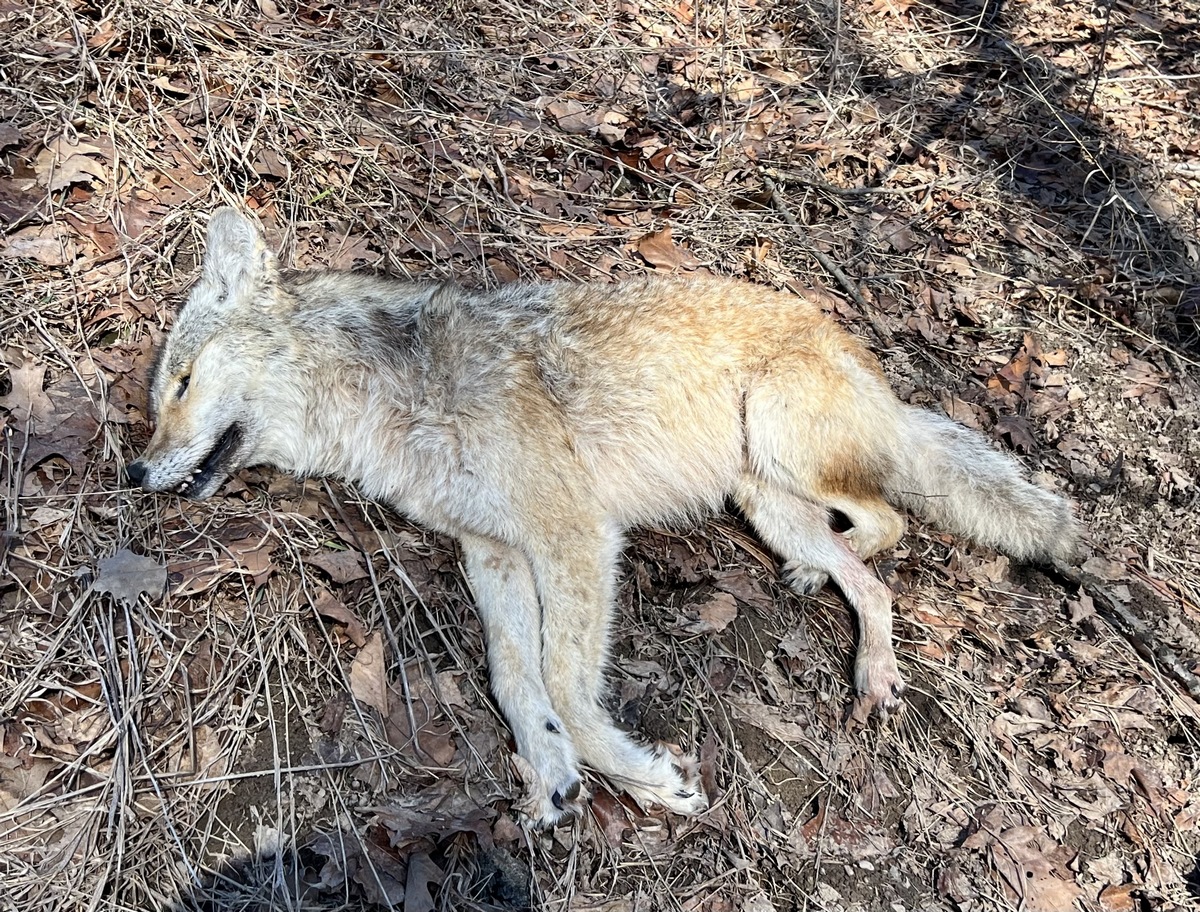
Several days ago, during one of those unseasonably nice days here in Albany County, New York, my wife Theresa and I went for a walk down the road where we live.

During our walk, Theresa noticed something lying on the ground, nearly out of sight over an embankment, and said, “I wonder what that is?”

We walked over to take a closer look and discovered a dead coyote that had apparently been hit by a car.

I took note of it.

But it also got me to thinking.

Not just about what we saw…
but about what it might mean.

If you’d like to know what that dead coyote got me thinking about, you can read more on The Nature of Things.

Want to follow along?

If you’d like to be notified when I post Field Notes like this, you can subscribe for free to The Nature of Things here:
https://natureandthings.substack.com